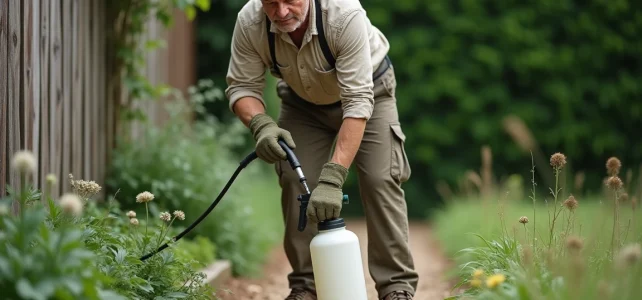
Glyphosate is a non-selective systemic herbicide: it penetrates through the leaves, circulates in the sap, and destroys the plant down to the roots. Ferber Painting markets a concentrated formulation based on this active ingredient, intended for the elimination of weeds on various types of surfaces. Understanding how this molecule works and the regulatory conditions surrounding it allows for effective use of the product while minimizing risks to the environment.
Mode of action of glyphosate on weeds
Glyphosate blocks an enzyme (EPSPS) that is present only in plants. This enzyme is involved in the synthesis of three aromatic amino acids essential for growth. Once sprayed on the foliage, the product migrates to the roots via the sap, causing a gradual wilting and ultimately the complete death of the plant.
Read also : Discover how to use the Voyages 365 sitemap to organize your trips
This systemic action distinguishes glyphosate from contact herbicides, which only burn the aerial parts that are touched. Perennial weeds with deep rhizomes, such as couch grass or bindweed, easily regrow after a contact treatment. With a systemic herbicide, the destruction reaches the underground reserves.
The formulation offered by Ferber Painting is concentrated and soluble in water. To prepare the Ferber Painting glyphosate herbicide, the recommended dosage is 15 milliliters of product per liter of water to treat one square meter. According to the manufacturer, the first signs of wilting appear within a few hours after application.
You may also like : How to Optimize Your Home Lighting with New Connected LED Technologies
Application conditions for a lasting result
Spraying glyphosate in rainy weather is a waste of the product. The molecule needs several hours of leaf contact to penetrate the plant. A shower in the hours following the treatment dilutes the active substance and significantly reduces effectiveness.
Wind poses another problem. Droplets carried by even a light breeze can reach cultivated plants, a hedge, or a flower bed. Glyphosate makes no distinction between a weed and a rosebush: any vegetation affected suffers the same fate.
Parameters to check before treatment
- Stable weather, with no rain forecast for at least six hours, and low or no wind at the time of spraying
- Moderate outdoor temperature: plants under water stress from high heat absorb the product less effectively
- Growth stage of the weeds: treat when the foliage is sufficiently developed to capture the mixture, but before seed setting
A pre-pressurized sprayer equipped with a flat jet nozzle limits drift. Cone jet nozzles, which produce finer droplets, increase the risk of aerial dispersion.
Safety precautions and environmental protection
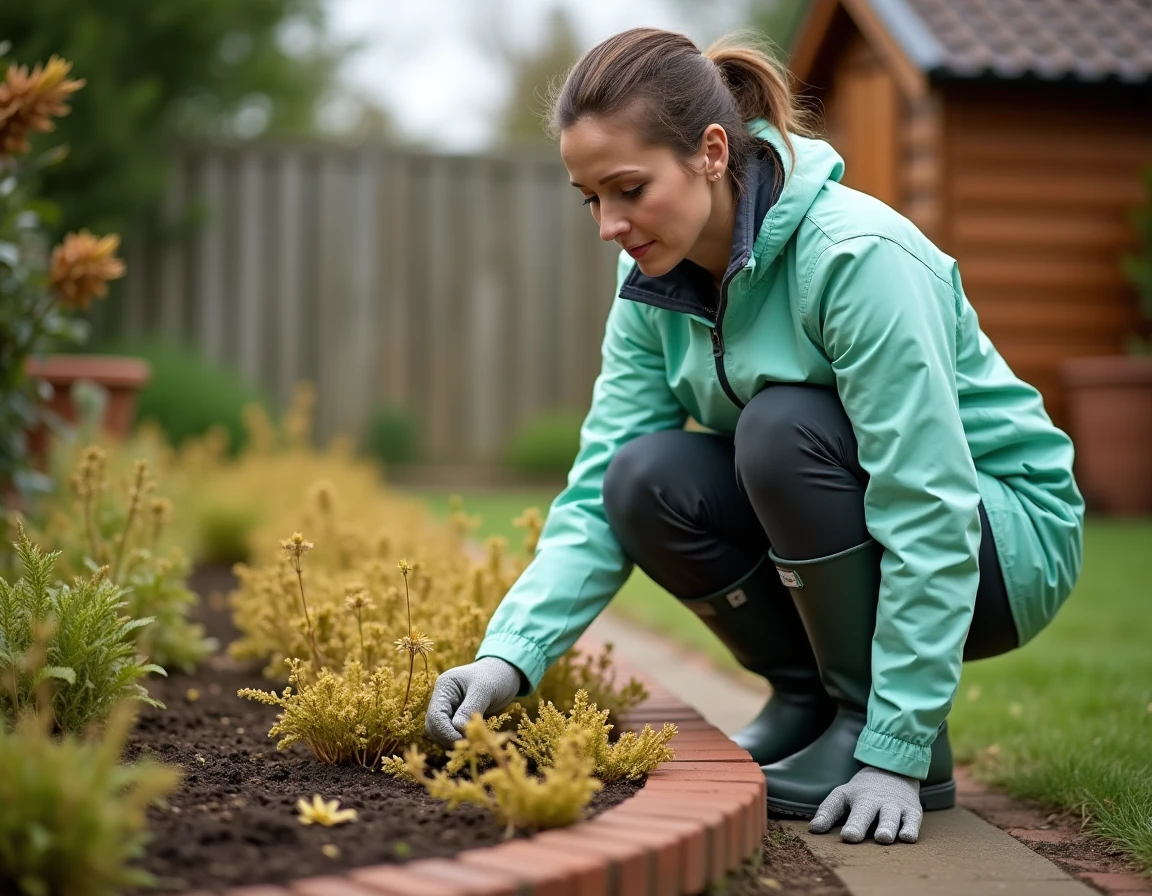
Glyphosate is classified as a regulated-use herbicide. Wearing chemical-resistant gloves, protective goggles, and covering clothing during preparation and spraying is not an optional recommendation. Any skin or eye contact with the concentrate requires immediate rinsing with clear water.
After use, the spraying equipment must be rinsed thoroughly. Rinse water should not be poured into a drain or near a water body. Glyphosate contaminates aquatic environments and is toxic to aquatic organisms even at low concentrations.
Proper storage and disposal of the product
The container should be stored in a closed location, frost-free, protected from light, and out of reach of children. Empty containers and leftover unused mixture fall under the collection of household chemical waste, not regular trash. Most recycling centers accept these products in the “specific diffuse waste” category.
Glyphosate regulation in France: what applies to individuals
The European Commission renewed the approval of glyphosate on November 16, 2023, for a period of ten years (2023-2033), based on assessments by EFSA and ECHA. France aligned with this decision while maintaining a policy of reducing uses and stricter regulation, particularly for untreated areas near homes.
Several member states have adopted more restrictive positions for individuals. Germany announced the end of non-professional uses of glyphosate. Luxembourg had banned glyphosate products as early as 2020, before part of this ban was overturned for procedural reasons related to European law.
In practice, a French individual purchasing a glyphosate-based herbicide must check that the product has a valid marketing authorization (AMM) for amateur gardening use. A product without a valid AMM is prohibited for sale and use, regardless of its origin.
Alternatives to chemical treatment to limit applications
Glyphosate addresses a specific problem. It does not prevent regrowth. Reducing the frequency of chemical treatments involves complementary practices that limit the germination of weeds between interventions.
- Organic mulching (wood chips, straw, dead leaves) covers the soil, blocks light, and slows the emergence of unwanted seeds for several months
- Woven mulch fabrics, laid over beds or at the base of hedges, prevent any growth without altering the soil structure
- False seeding, which involves preparing the soil and then allowing weeds to emerge before mechanically destroying them, depletes the surface seed bank before planting
Combining targeted chemical weeding in difficult areas (gravel paths, wall bases, paving) with mulching in cultivated areas reduces dependence on the product. Glyphosate remains a tool, not a maintenance strategy on its own.
Each spraying pass exposes the soil and the microorganisms it harbors to an active substance. Spacing treatments, respecting dosages, and prioritizing preventive methods where they work is the most reasonable approach for long-term garden maintenance.