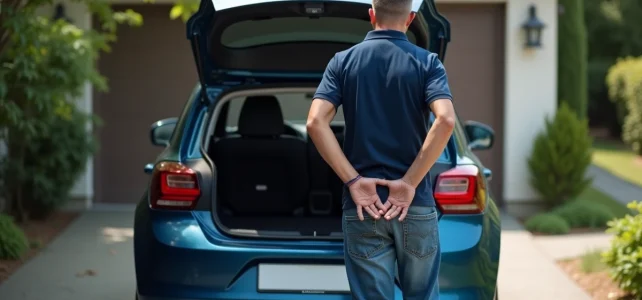
Disabling the rear radar on the Peugeot 308 is not included in the standard configuration of the vehicle. This feature remains active by default to comply with road safety standards imposed in Europe. However, some owners find the need to deactivate this system, particularly during towing or technical interventions.
The slightest mistake in the procedure can lead to a parade of electronic error messages. Changing the settings without a method can cause persistent alerts to appear, or even the unexpected deactivation of other driving aids.
Related reading : How to estimate the amount of the social housing deposit to avoid mistakes
Understanding the operation and usefulness of the rear radar on the Peugeot 308
On the Peugeot 308, the rear radar relies on a set of ultrasonic sensors integrated into the rear bumper. This device scans the space behind the vehicle in real-time when reverse gear is engaged. At the slightest detection of an obstacle, it sends audible and visual signals directly to the driver, whether on the dashboard or on the central screen. The goal: to limit the risk of collision, ensure the safety of users around, and avoid damage to the bodywork.
The sensors automatically adjust their sensitivity based on maneuvering speed and distance to the detected object. Thanks to its algorithm, the system distinguishes between fixed obstacles (like a wall or a pole) and moving elements (pedestrians, cyclists). This assistance becomes particularly valuable in tight parking spaces or when visibility is reduced. Activating the rear radar requires no specific action: it automatically engages when reverse gear is selected, ensuring a smooth experience for the user.
Further reading : How to Find the Best Online Listings for Easy Buying or Selling
However, certain specific situations, whether technical or professional, make temporary deactivation unavoidable. Finding a solution for the Peugeot 308 rear radar becomes necessary, especially to cut off nuisance alerts during towing or when adding accessories. An appropriate modification allows for maintaining the coherence of the driving aids and the entire electronic system.
What are the common causes of malfunction or inconvenience with the anti-reverse system?
Daily use of the anti-reverse system on the Peugeot 308 sometimes brings unpleasant surprises. Among the most common irritations are the nuisance alerts that occur when shifting into reverse even though no obstacle is visible to the naked eye. Several factors may be at play. A sensor obstructed by mud, dust, or winter debris, a simple scratch, or a water spot on the lens can distort detection and activate the safety system.
Some accessories, like a bike rack or a towed trailer, also create unexpected interactions: the radar interprets the fixed object as an obstacle, triggering repetitive audible signals with each maneuver. Coexisting with this type of equipment then necessitates adapting or even temporarily deactivating the Peugeot reverse.
Difficult weather conditions, such as snow or heavy rain, also disrupt the sensitivity of the sensors. The vehicle’s configuration plays a role as well: pressure on the tailgate, an open trunk, or an oversized load can alter the system’s perception and lead to unjustified alerts.
To limit these inconveniences, it is recommended to exercise vigilance during maintenance, regularly check the device, and use the MyPeugeot app thoughtfully. These actions help preserve the reliability of the Peugeot 308 rear radar while maintaining a good level of safety.
Detailed steps to safely activate, deactivate, and maintain your rear radar
Procedure via the dashboard
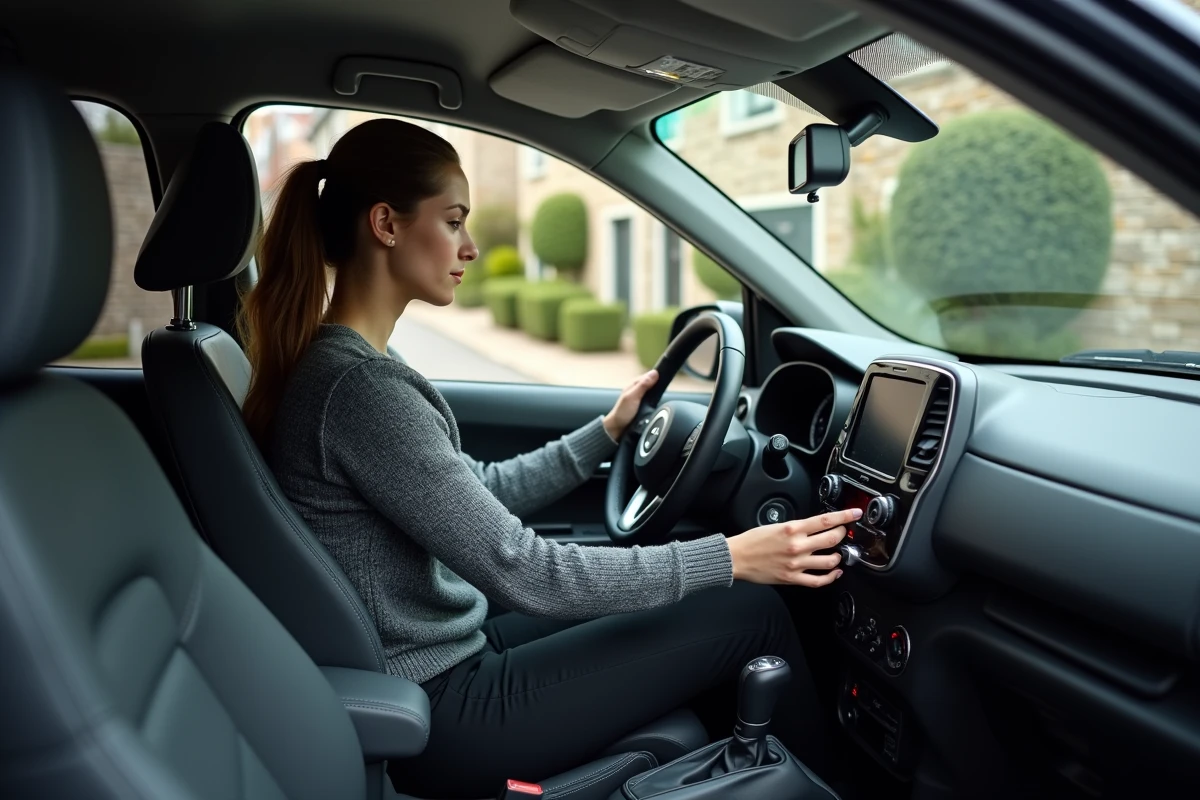
The Peugeot 308 offers a clear user interface. From the central screen, simply access the vehicle settings menu and then select the section dedicated to parking assistance or the rear radar. A simple press on the corresponding icon allows you to manage the activation or deactivation of the function, as needed. This operation is quick and minimizes the risk of error, even for inexperienced users.
Using the MyPeugeot app
With the MyPeugeot app, managing features remotely becomes accessible. After logging into your account, select the “vehicle” tab, then the settings dedicated to the rear sensors. Follow the displayed instructions to make the desired adjustments. Ensure you have a reliable connection to guarantee synchronization between the app and the vehicle’s onboard system.
Before any intervention, keep these recommendations in mind to preserve the system’s performance:
- Practical and secure guide: follow precisely the sequence of actions indicated by the manufacturer.
- Carefully examine the condition of each sensor before making any changes to the settings.
Meticulous cleaning and maintenance
Regular maintenance is key to ensuring the reliability of the device. Use a soft, slightly damp cloth to remove dust, mud, or dirt. Avoid using a high-pressure jet on the sensors: their sensitivity could be affected. Careful cleaning optimizes detection accuracy.
Disabling the rear radar should remain a temporary solution, especially when the safety of the vehicle or the environment requires it. Each manipulation deserves attention and method, in the interest of the driver and peace of mind on board. After all, the best technology is the one that goes unnoticed… until its usefulness is measured.