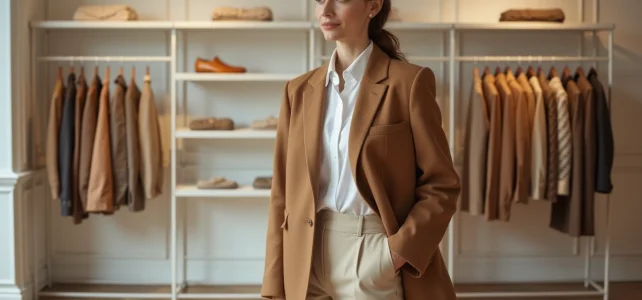
The current season is reshaping dress codes across several technical axes: shoulder construction, choice of raw materials, and a narrowed color palette. We are observing a sustainable shift in collections towards high-utility pieces, driven by European regulatory pressure on textile sustainability and the rise of capsule wardrobes. Understanding these movements allows for precise dressing decisions rather than accumulating impulsive purchases.
Recycled materials and environmental labeling: what is changing in collections
The European strategy for sustainable textiles, under the Textile Green Deal, is gradually imposing requirements for reparability and environmental information on clothing. In France, the AGEC law and experimental environmental labeling are pushing brands to communicate an impact score for each piece.
Related reading : The latest fashion trends to adopt for a unique look this season
This regulatory framework has direct consequences on what is found on the shelves. “Recycled” lines are multiplying, in-store take-back programs are becoming widespread, and product sheets now include sustainability and recyclability. For the informed consumer, this means that a blazer or shirt with a good environmental score is no longer a vague marketing argument but a verifiable indicator.
We recommend systematically checking the fiber composition before purchase. A low-cost polyester-elastane blend remains difficult to recycle, regardless of the label attached. Prioritizing certified organic cotton or traceable lyocell often proves cheaper over two seasons than a disposable garment replaced every three months.
See also : 2024 Fashion Trends: Inspirations, Tips, and Looks to Embrace This Season
The fashion trends to discover this season precisely reflect this shift towards pieces designed to last, where the quality of the material takes precedence over the novelty effect.
Capsule wardrobe: balancing between key pieces and seasonal clothing
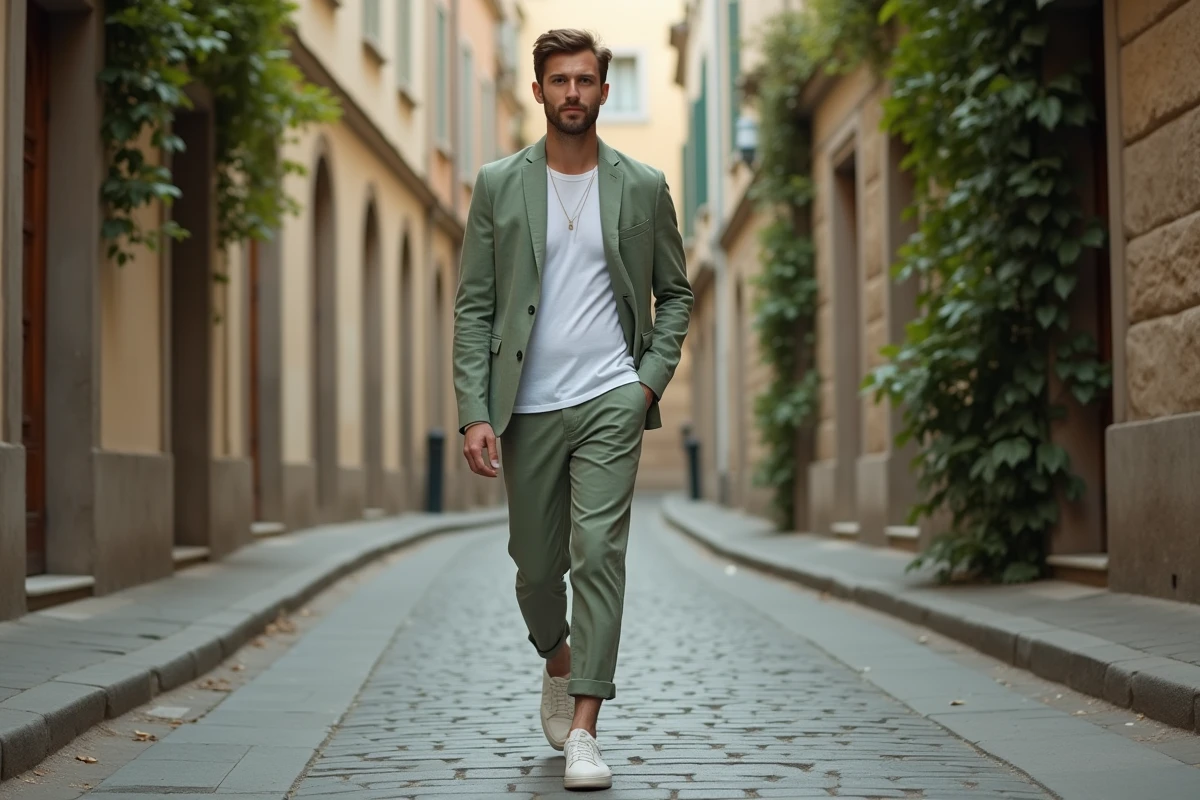
Pinterest Predicts and Lyst Index reports indicate a significant increase in searches related to capsule wardrobes and so-called “investment” pieces, particularly among 18-35 year-olds. The logic is simple: reduce the number of owned garments while increasing the number of possible outfits through combinations.
Identifying the key pieces in your wardrobe
A key piece is an item that works in at least three distinct combinations without stylistic effort. The structured blazer in lightweight wool, the French collar poplin shirt, and the high-waisted tailored trousers: these three well-cut elements cover the office, a city dinner, and a dressed-up weekend.
- The slightly oversized blazer replaces the denim jacket and cardigan in most mid-season situations, provided a neutral color is chosen (navy, beige, charcoal)
- The white or off-white poplin shirt can be worn tucked in, knotted, or open over a t-shirt, giving it three different visual interpretations for a single purchase
- The high-waisted pleated trousers elongate the silhouette and can accommodate both sneakers and loafers, unlike slim jeans which impose a more limited style
Three well-chosen key pieces generate more outfits than ten poorly matched trendy garments. This is the technical foundation of the capsule wardrobe.
Seasonal pieces: rental or thoughtful purchase
For clothing used occasionally (ceremony dress, statement coat, evening accessories), event outfit rental is gaining ground. This service prevents the accumulation of pieces worn once or twice while allowing access to cuts and materials that one wouldn’t buy at full price.
Quiet luxury and neutral colors: decoding the season’s palette
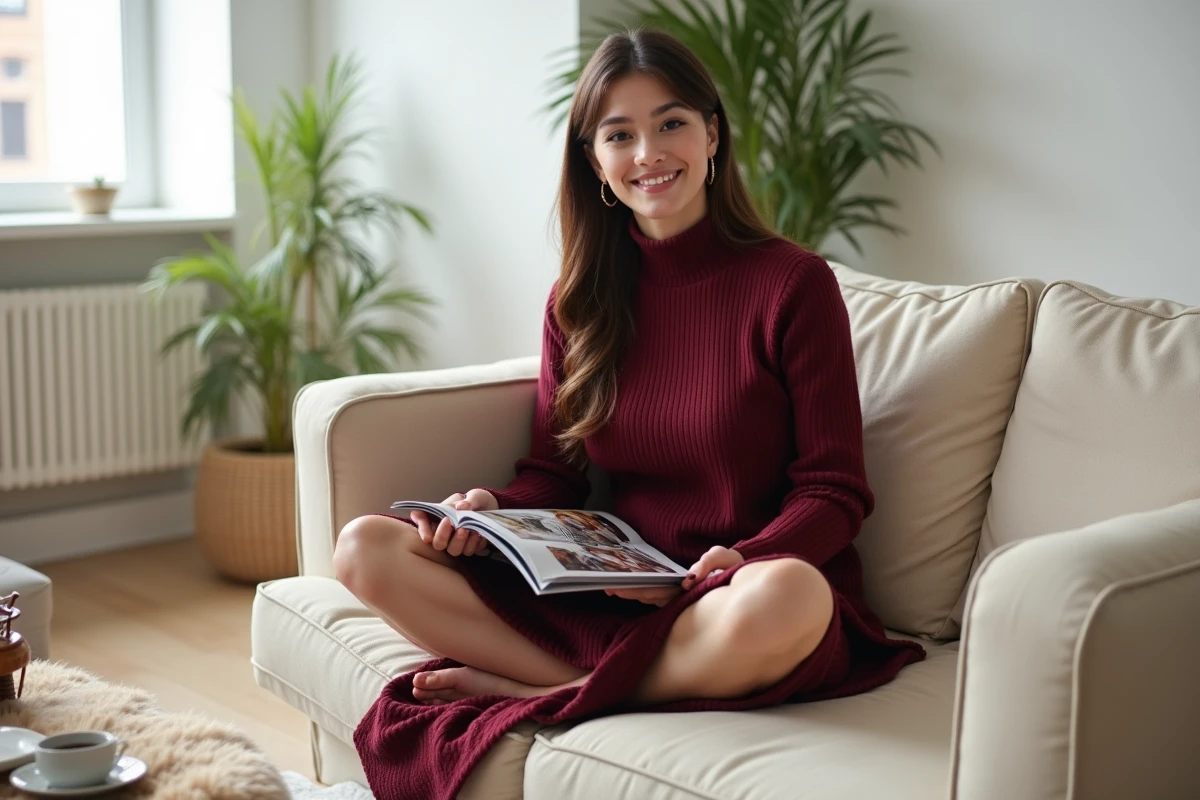
The quiet luxury movement, documented by the Lyst Index, extends far beyond social media. The most sought-after and purchased pieces revolve around a restricted palette: beige, ivory, camel, heather gray, deep black. This trend reflects a rejection of visible logos in favor of textile quality that is perceptible to the touch.
Specifically, quiet luxury relies on cut and material, not on the brand. A well-fitted blended cashmere coat, a full-grain leather bag without a monogram, round-toed smooth calf boots: each piece justifies itself by its craftsmanship rather than its label.
This approach alters the way to compose a look. Instead of seeking the standout piece that “makes” the outfit, we recommend working on the texture coherence between layers. A fine ribbed sweater under a flannel blazer creates a surface play that the eye captures without analyzing. A technical t-shirt under a gabardine trench produces the same effect.
Silhouette and morphology: adjusting the fit rather than following the trend
Popular articles often provide lists of pieces by body type. The technical approach is the opposite: start from the garment’s cut and ensure it respects the wearer’s proportions.
- A wide pant suits most silhouettes as long as the waist is fitted and the hem just brushes the top of the shoe without breaking
- A V-neck elongates a short torso, while a round or high collar balances a long torso, regardless of the piece’s style
- The shoulders of a blazer should fall exactly at the joint: a centimeter too much gives an uncontrolled vintage effect, while a centimeter less compresses the silhouette
Having a medium-quality piece tailored often costs less than buying a perfectly fitted trendy piece in-store. Tailoring remains the most underestimated tool in wardrobe makeovers.
Accessories play a finishing role rather than a transformative one. A thin leather belt, discreet earrings, or a silk scarf change the perception of an outfit without requiring a new clothing purchase. The accessory adjusts the register, the garment provides the structure.
Refreshing a wardrobe this season is less about buying than about subtracting, tailoring, and recombining. The pieces that remain in a wardrobe year after year all share the same trait: a precise cut in a material that ages well.