The roads of France are used daily by millions of drivers. Behind every steering wheel lies a colossal responsibility, that of ensuring one’s own safety and that of other road users. The ability to drive relies not only on a technical knowledge of the rules of the road but also on psychological and cognitive skills. It is in this context that the psychotechnical driving test comes into play, proving to be a necessary step for some driving license candidates. This often-dreaded exam assesses essential skills such as reactivity, attention, and stress management. Its implementation is crucial to ensure that every driver possesses the necessary skills to navigate safely on the roads.
The Foundations of the Psychotechnical Test
This test is based on a series of principles designed to evaluate a person’s ability to drive safely. It stands out due to several key aspects that deserve to be highlighted.
Related reading : Pivaut School: a springboard for budding artists
- Evaluation of Cognitive Abilities: Skills such as attention, memory, and perception are scrutinized to ensure that the potential driver is capable of reacting appropriately to unforeseen situations on the road.
- Reaction Time Analysis: The test measures the speed and accuracy of the candidate’s responses to visual or auditory stimuli, a crucial criterion for avoiding accidents.
- Emotional Intelligence Test: It is necessary to check how an individual manages their stress and emotions, as good emotional control is vital for safe driving.
Who is Affected by the Psychotechnical Test?
Although not all driving license candidates are required to take this test, certain specific cases necessitate its mandatory completion. Let’s examine the situations where it becomes essential.
It is primarily required for drivers who have lost their license due to a serious offense, such as driving under the influence of alcohol or drugs. Older drivers, starting from a certain age, may also be subject to a psychotechnical evaluation to ensure they still possess the necessary skills for safe driving. Finally, future professional drivers, such as truck drivers or public transport operators, must prove their ability to manage high-stress situations and make quick decisions.
Further reading : Essential Criteria for a Quality E-Cigarette
The Conduct of the Test and Its Implications
Once it is known who is affected, it is essential to understand how the psychotechnical test is conducted and what its implications are for the candidates.
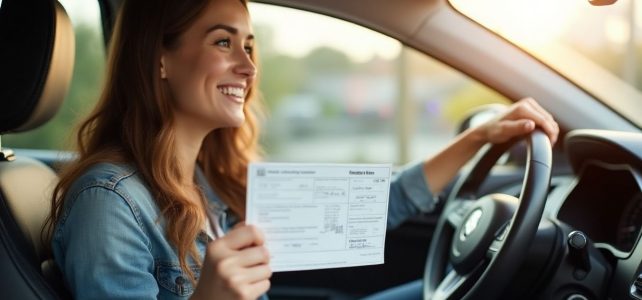
The test is generally administered at a center accredited by the prefecture. It consists of several computer-based tests designed to simulate real driving situations. At the end of the test, a report is provided, detailing the candidate’s performance. This document is crucial for drivers who need to convince the authorities of their ability to take the wheel again.
A favorable opinion allows the candidate to recover their license or continue their goal of obtaining a professional license. Conversely, an unfavorable opinion often requires work on the missing skills before they can attempt again.
Impact of the Test on Road Safety
The role of the psychotechnical test is not limited to a mere administrative formality; it has a direct and significant impact on road safety.
- By helping to remove potentially dangerous drivers from the road, this test contributes to the reduction of traffic accidents.
- It encourages awareness of personal abilities, prompting drivers to be more vigilant and work on their weaknesses.
- By ensuring that only competent and responsible drivers take the wheel, it strengthens overall confidence in the French driving license system.
Ensuring the safety of all on the roads is a constant challenge. The psychotechnical driving test presents itself as an indispensable tool in this objective. It is not just a regulatory obligation but a preventive measure that ensures that every driver is capable of reacting appropriately to the unforeseen events on the road. Ultimately, this test enhances road safety by filtering out unfit drivers and promoting responsible driving.